
24 Hour Septic Tank Pumping

FREE ONSITE ESTIMATES

Septic Tank Inspections in Cañada Flintridge, California

Proactive Maintenance: La Cañada Flintridge's Trusted Septic Tank Inspection Service

Maintaining a functional septic system is a crucial aspect of homeownership, ensuring a clean and safe environment for your family. Our septic tank inspection service is designed to provide homeowners with a reliable and thorough assessment of their septic systems. Regular inspections are essential to catch potential issues before they become major problems, saving homeowners from costly repairs and ensuring the longevity of their septic systems. With our experienced technicians and commitment to excellence, we offer a comprehensive inspection service that aims to keep your septic system operating at its best.
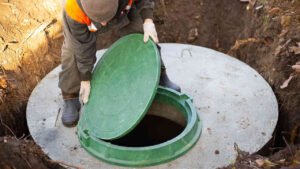
Septic Tank Maintenance

 Our services includes a meticulous examination of key components. Our skilled technicians assess the septic tank for any signs of damage, leaks, or structural issues. We analyze the flow of effluent to identify potential blockages and ensure proper drainage. The inspection also encompasses an evaluation of the drain field’s condition, checking for any issues that may impact its functionality. We pay close attention to baffles and filters, ensuring they are effectively preventing solid waste from entering the drain field. Additionally, our inspections may lead to recommendations for septic tank pumping schedules to maintain optimal system performance.

By choosing our septic tank inspection services, homeowners benefit from the expertise of our experienced professionals. Our team is dedicated to providing detailed inspection reports, offering transparency about the condition of your septic system and any necessary actions. We pride ourselves on delivering prompt and reliable service, understanding the importance of timely inspections. Furthermore, we believe in customer education, and our technicians are available to answer questions and provide insights into proper septic system maintenance. Schedule your septic tank inspection with us today to ensure the health and longevity of your septic system.

Navigating Septic Tank Inspection Costs in La Cañada Flintridge: Understanding Pricing for Your Home's Health

In La Cañada Flintridge, septic tank inspection prices can vary based on the scope of services and the intricacies of each system. A basic inspection typically ranges from $200 to $300, covering essential assessments. For those seeking a more economical option, the low-end rate might hover around $250, providing a comprehensive yet budget-friendly evaluation. On the other hand, a high-end rate, approximating $500, may involve a more detailed and thorough examination of the septic system. These estimates serve as general guidelines, and contacting local service providers directly is recommended for precise and up-to-date pricing tailored to the specific needs of your septic tank inspection.

Septic Tank Inspection Prices in La Cañada Flintridge

ServiceRate
Basic Inspection$200 – $300
Low-End Rate$250
High-End Rate$500

septictankpumpingusa.com is dedicated to prioritizing the swift and effective cleaning and pumping of your septic tank, offering a solution that promptly alleviates your concerns. We comprehend the inconvenience that septic tank issues can pose, and our commitment is to deliver unparalleled service. Don’t hesitate to reach out to us; we are here to address all your septic tank needs promptly and efficiently. Your satisfaction is our priority.

Septic Tank Inspection Process

At Septic Tank Pumping USA, our commitment to ensuring the optimal performance of your septic system begins with a meticulous and comprehensive inspection process. Our highly-trained technicians follow a detailed series of steps to evaluate every aspect of your septic tank and its associated components. Here is an in-depth guide to the septic tank inspection process utilized by our company:

1. Initial Consultation: Our process kicks off with a thorough initial consultation. We gather essential information about your septic system, including its location, history, and any concerns you may have. This preliminary step allows us to tailor our inspection to address specific issues and ensure a focused assessment.

2. Access Point Identification: Identifying and accessing key components is crucial. Our technicians locate and gain access to the septic tank, distribution box, and drain field, ensuring that every part of the system is included in the inspection.

3. Surface Area Assessment: A visual inspection of the surface area surrounding the septic tank provides insights into potential issues. We look for signs such as seepage, odors, or unusual vegetation that may indicate surface-level problems.

4. Seismic Testing (If Applicable): In areas prone to seismic activity, we may conduct seismic testing to assess the structural integrity of the septic tank. This additional step ensures the system’s resilience in the event of seismic events.

5. Septic Tank Opening and Internal Examination: Opening the septic tank is a critical step. Our technicians thoroughly examine the interior, checking for the accumulation of solid waste, scum layers, and any structural damage. We employ advanced tools and techniques to assess the overall condition of the tank.

6. Effluent Flow Analysis: Analyzing the flow of effluent from the septic tank to the drain field is essential. We assess the efficiency of this process to identify any blockages or slow drainage that might indicate potential system issues.

7. Baffle and Filter Inspection: Septic tank baffles and filters play a vital role in preventing solid waste from reaching the drain field. We inspect and clean these components as necessary to maintain their functionality and prevent clogs.

8. Drain Field Evaluation: Our inspection extends to the drain field, where we look for signs of saturation, pooling water, or uneven distribution of effluent. These indicators help us pinpoint any problems with the drainage system.

9. Pumping Recommendations and Maintenance Plan: Based on our findings, we provide personalized recommendations for septic tank pumping schedules. Additionally, we offer a comprehensive maintenance plan tailored to address specific issues and ensure the long-term health of your septic system.

10. Detailed Inspection Report: A detailed inspection report is then compiled, summarizing the condition of your septic system, highlighting any identified issues, and outlining our recommendations for maintenance or repairs. This report serves as a valuable reference for homeowners.

At Septic Tank Pumping USA, our commitment to excellence is reflected in the thoroughness of our septic tank inspection process. We aim not only to identify existing issues but also to provide proactive solutions that contribute to the sustained efficiency and longevity of your septic system. Contact us today for a comprehensive septic tank inspection tailored to the unique needs of your property.

Book a Septic Tank Inspection Service in La Cañada Flintridge

Phone :(747)293-3752

Email:info@septictankpumpingusa.com

Hours of operation: 24/7

Call Us Today!

CONTACT US FOR HELP

Contact with us through our representative or submit a business inquiry online

SOME THING YOU CAN'T DO YOURSELF

CALL THE PROS
EXPERT SOLUTIONS

(747)293-3752

Financial Insight: Breaking Down the Costs Associated with Septic Tank Pumping

Maintaining a healthy septic system is vital for the well-being of your home, and understanding the costs associated with septic tank pumping is crucial for responsible homeownership. The financial aspects of this routine maintenance task involve several factors that contribute to the overall expense.

1. Tank Size and Capacity: One significant factor influencing the cost of septic tank pumping is the size and capacity of the tank. Larger tanks naturally require more time and resources to pump, impacting the overall service fee.

2. Accessibility: The accessibility of your septic tank plays a role in the pricing. If the tank is easily reachable, the pumping process is more straightforward, potentially lowering the overall cost. However, challenging terrain or limited access may require additional effort and impact the pricing structure.

3. Frequency of Pumping: The frequency at which you schedule septic tank pumping can influence costs. Regular maintenance is generally more cost-effective than waiting until issues arise. Routine pumping helps prevent complications and extends the life of your septic system.

4. Depth of Tank Burial: The depth at which your septic tank is buried can affect the complexity of the pumping process. Deeper tanks may require more effort and time, contributing to an adjustment in the overall cost.

5. Local Regulations and Disposal Fees: Different regions may have varying regulations and disposal fees for the waste extracted during pumping. It’s essential to consider these local factors, as they can impact the final cost of the service.

6. Additional Repairs or Services: During the pumping process, any identified issues or the need for additional services, such as baffle replacement or filter cleaning, can contribute to the overall expense. Transparent communication with the service provider ensures that these potential costs are clearly outlined.

7. Emergency Services: In situations where emergency pumping is required, such as dealing with a septic system backup or blockage, the urgency may impact the cost. Emergency services often involve quicker response times and additional resources, influencing the final bill.

Understanding these factors can empower homeowners to make informed decisions about their septic tank pumping needs. Regular maintenance and a clear understanding of the associated costs contribute not only to the efficiency of your septic system but also to long-term savings by preventing major repairs or replacements. For a personalized cost breakdown and to schedule your septic tank pumping service, reach out to reputable professionals who can guide you through the process.

How Does a Septic Tank Work?

A septic tank is a crucial component of on-site wastewater management systems, commonly used in areas without access to municipal sewage treatment plants. Understanding the inner workings of a septic tank is essential for homeowners to ensure proper maintenance and optimal functionality. Here’s a comprehensive guide explaining how a septic tank works:

1. Collection of Wastewater: The process begins when wastewater from toilets, showers, sinks, and other household drains flows into the septic tank. This wastewater contains both liquids and solids.

2. Separation of Solids and Liquids: Within the septic tank, the heavier solid particles settle to the bottom, forming a layer of sludge, while lighter materials like grease and fats float to the top, creating a scum layer. The remaining liquid in the middle is known as effluent.

3. Bacterial Decomposition: The naturally occurring bacteria in the septic tank start the decomposition process. These microorganisms break down the organic matter in the sludge and scum layers, turning them into simpler substances.

4. Clarification and Filtration: As the decomposition occurs, the effluent becomes clearer and is gradually filtered through to the next stage of the system. Baffles in the tank prevent the solid layers from flowing into the drain field.

5. Effluent Distribution to Drain Field: The clarified liquid, now referred to as effluent, exits the septic tank and enters the drain field or leach field. This is a network of perforated pipes buried in gravel trenches. The effluent is evenly distributed through these pipes into the soil.

6. Soil Filtration and Treatment: In the drain field, the effluent undergoes further treatment as it percolates through the soil. The soil acts as a natural filter, removing any remaining impurities and harmful microorganisms. This treated wastewater eventually reenters the groundwater system.

7. Continuous Cycle: The septic tank system operates in a continuous cycle. As new wastewater enters the tank, the decomposition and treatment processes continue. Regular maintenance, including periodic pumpings to remove accumulated sludge and scum, is crucial to prevent system failure.

8. Safety Mechanisms: Modern septic systems incorporate safety features such as outlet filters and alarms to alert homeowners to potential issues. These elements enhance the efficiency and longevity of the system.

Understanding how a septic tank works is pivotal for homeowners to make informed decisions about maintenance, water usage, and overall system care. Regular inspections and adherence to recommended pumping schedules are essential to ensure the proper functioning of the septic system and the protection of both property and the environment.

Preserving Your Property: A Guide to Effective Septic System Care

Maintaining a healthy septic system is not just about preventing inconveniences; it’s a fundamental aspect of preserving the value and longevity of your property. Here’s a comprehensive guide to effective septic system care, ensuring you make informed choices to safeguard your investment.

1. Regular Inspections: Schedule routine inspections by a professional to assess the condition of your septic system. Detecting issues early can prevent costly repairs and prolong the life of your system.

2. Mindful Water Usage: Be conscious of water consumption to avoid overloading the septic system. Repair leaks promptly, and consider investing in water-efficient appliances to reduce strain on the system.

3. Septic-Safe Practices: Educate your household on septic-friendly habits. Avoid flushing non-biodegradable items, chemicals, and excessive amounts of grease. These practices prevent clogs and maintain the system’s efficiency.

4. Pumping at Regular Intervals: Adhere to a consistent pumping schedule based on the size of your household and the tank’s capacity. Regular pumping prevents the accumulation of sludge and scum, promoting optimal functioning.

5. Protect the Drain Field: Keep the drain field clear of heavy structures and vehicles. Plant only grass over the drain field to prevent root intrusion that could damage the pipes.

6. Maintain Records: Keep a record of all septic system inspections, pumpings, and repairs. This documentation serves as a valuable reference for service providers and potential homebuyers.

7. Install a Filter: Consider installing an outlet filter in your septic tank. This simple addition helps trap solids, preventing them from entering the drain field and prolonging the life of your system.

8. Be Mindful of Landscaping: Plan landscaping carefully, avoiding the planting of trees with aggressive root systems near the septic system. Roots can infiltrate pipes, causing damage and hindering proper function.

9. Monitor for Warning Signs: Stay vigilant for warning signs of septic system issues, such as slow drains, foul odors, or pooling water. Early identification allows for prompt action, minimizing potential damage.

10. Seek Professional Guidance: Consult with septic system professionals for expert advice on care and maintenance. Their insights can be invaluable in tailoring a care plan specific to your system’s needs.

By following this guide to effective septic system care, you not only preserve the functionality of your system but also contribute to the long-term health and value of your property. Taking proactive measures ensures that your investment remains protected, and your septic system continues to operate at its best.

Scroll to Top